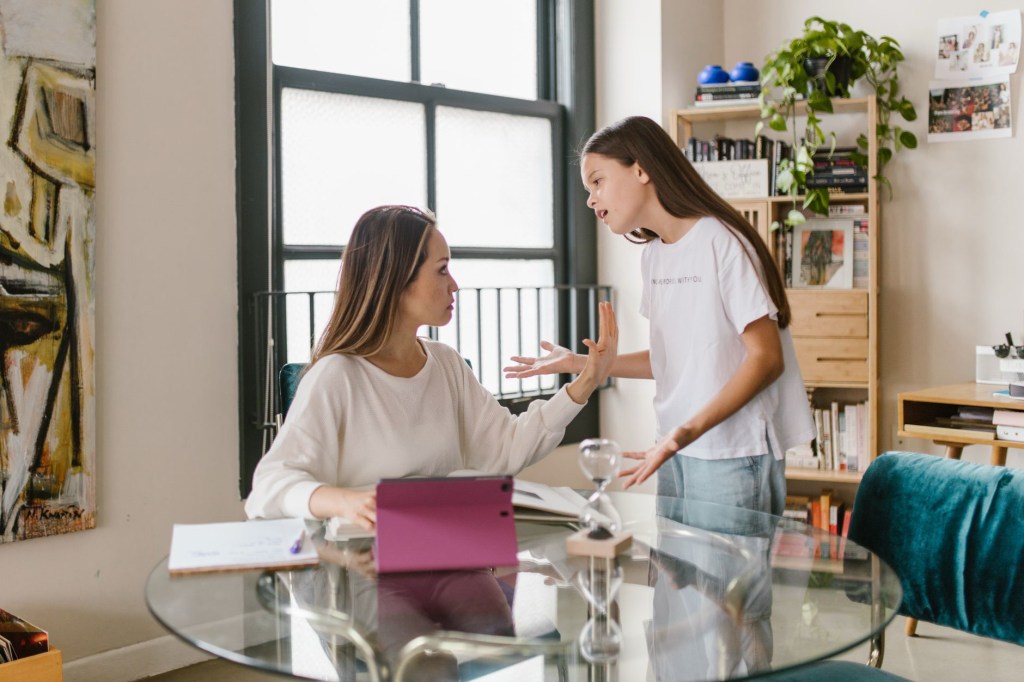
When a parent comes to me to talk about the behaviour of their children, be it in school or at home, my general effort would be first to understand the environment prevailing both at home and in the school to get a better idea about the environmental air in which the child has been breathing and growing up till now.
My effort would also be to understand if there has been a sudden change in the behaviour of the child, as well as the parental relationship or the child’s educational ambience.
Whenever any behavioral changes are not acceptable either to the parents or to the school authorities, children are often referred to psychologists or even psychiatrists for behaviour correction because of their regular bad behaviours, emotional adjustment problems – aggressive outbursts, disrespect of others, not following the norms set up by schools or families. The other issues often referred to are truancy, skipping exams, acts or threats of self-harm, suicide attempts, running away from home, indulging into prohibited browsing of Internet sites, online betting or other such acts of smoking, vaping, etc.

None of the parents would understand that the problem is not the outward expressive behaviour, but the underlying stresses, trauma and unhealthy family relationships, environment or dynamics could be the cause of the unacceptable behaviour and problematic adjustment in society.
Similarly, the problem could also be an erratic behaviour by a school teacher unknowingly or a bullying classmate(s), a tuition teacher putting pressure on the child to obtain results that the child may not be capable of, or simply overlooking a particular person and focusing on the ones who can deliver as the tutor wants.
It has been noticed that the parents, while expecting a change in their children, often would not be aware of or would not be in the know of as to what has been happening to the environment around their children.
Some new group of friends online, offline, some relationship issues at home, study or peer pressures at school, home, the social, financial stress and the anxiety at home, performance at tuition or the neighbourhood events, everything affects our children.

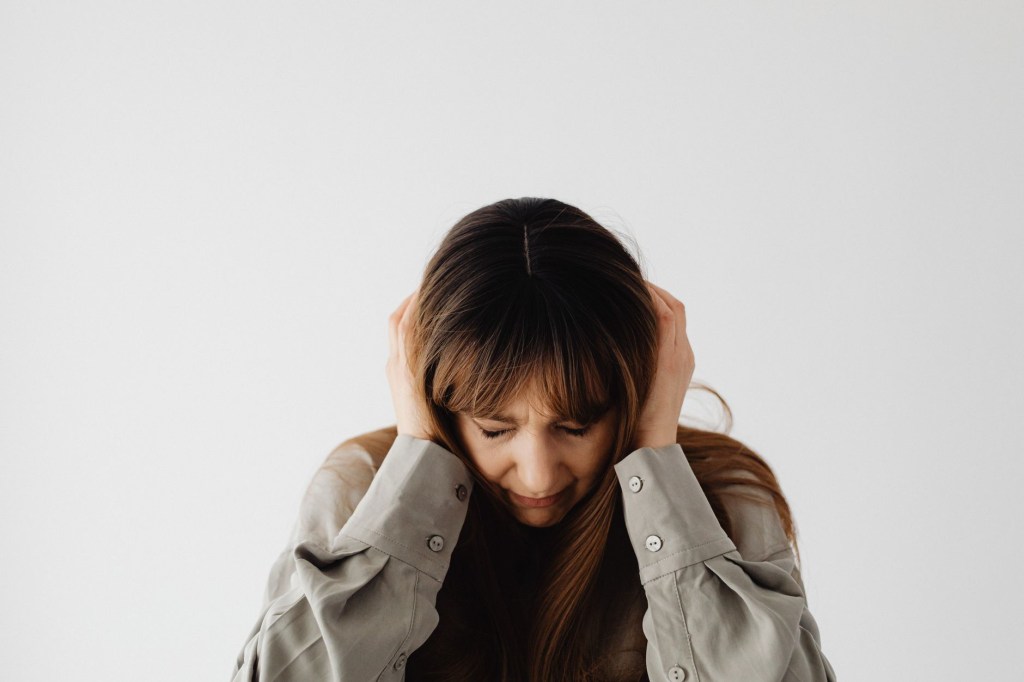
Our kids are not all right. But so are not adults too because none is free from the all-prevailing irritation of the body and the mind, the stress and anxiety of the environment. With everyone being subjected to the noise generated by media all the time, it’s the media stress and anxiety that rules the mind and body in all ages and all strata of the current society.
Children and adolescents’ anxiety and depression have been on the rise for about the past two decades, as we notice more and more parents seeking help in this direction.
It could also be the awareness of new psychiatric disorders, social behaviours, new stresses and anxieties being identified amongst early adolescence and teenagers as different from the late 90s or the first decade of up to 2010, where only the elite or the working-class adults would speak to a psychologist or a psychiatrist, that too very rarely or unless absolutely necessary.
People would rather consult a general physician for all kinds of mental behavioural issues.
In fact, anxiety disorders are by far the norm today for adolescents and teenagers. It needs to be highlighted here that today’s parents are as anxious as their children, and it tells on the behaviour of both equally.
I have often advised busy parents about their own anxiety levels and that they too need to check and that they take care of their sudden outbursts that can aggravate their wards’ behaviour from time to time.
Anxious parents often add a sense of quarrelsome nature in their anxious children through undue reactions in situations which can otherwise be controlled by a calm and firm response.
This occurs when parents overreact to their child’s distress and discomfort entirely in a manner that aggravates the situation.
In turn, the child does not learn how to cope with anxiety or learn tools to manage it in the long term and reacts instantly in panic or natural self-defence response.
The increasing stress levels of families post-COVID have been a natural response to any environmental health risk, and isolation for two or three years amongst the children and their parents have been telling on their anxiety levels, which have risen exorbitantly.
Post-COVID, a new environment has come into existence that has given rise to a generation that lives, breathes and survives on anxiety all the time.
A young man today told me that he thrives only on anxiety and that he gets scary when he doesn’t have anything to thrive on during a particular day. This leads him to addictive online betting, gambling or just scrolling reels on Instagram if there’s nothing else to do. A visit to the local bar becomes a usual habit amongst teens to get a thrill by shots, or just being seen there on a bar floor where young teenage couples hang out. Their adolescence anxiety has grown into an addictive social behaviour sourcing thrills to calm down.
Another young housewife echoed similar emotions of being anxious when she doesn’t have something thrilling to do in a particular day. From young to middle age to elders, all looking for something thrilling or being into anxiety has become a very common norm in modern times.
Could this be an epidemic anxiety or just passing fads of finding thrills in every moment of our life?
So how do we begin to heal an anxious generation, particularly in an era of heightened distress, mood dysregulations and breaking down of the traditional family systems?
How do the traditional intervention plans work with such all-pervasive Anxiety:
Mental health professionals in a classic approach intervention system treat anxiety with individual-focused approaches of talk therapy or cognitive behavior therapy (CBT), anticipating changes are meant for the child as an independent unit.
However, as said before, a child is not a separate unit but a part of an environmental group consisting of so many areas contributing to a child’s growth. In such a situation, any talk therapy or a course of CBT will fall short of the expected results.
And both a talk therapy or an extensive 12-session course of CBT can only provide temporary and short-lived solutions.
The young ones, over a period, tend to regress into similar behaviour as the benefits of these individual therapies prove inadequate if the environmental factors are not taken into account for an ameliorating therapy.
The major issue, as I wrote above, is that the child is treated individually as a unit separate from the daily influencers and his parents.
It does not include the class teachers, the tutors, the peers and the parents’ responses to that anxiety. Every time a child has been brought to us, the focus is only on the affected child.
Therefore, when the child returns home to an unchanged anxious parent who can overaccommodate, the child often becomes anxious again and relapses.
At the Family Therapy India or at Alka Mansik Pramarsh Foundation, we encourage parents too to join besides the normal CBT intervention our Mindful Perceptive Meditation Sessions at their convenient time so that using a family gets benefit of therapy to eliminate anxiety completely from their environment.
We train both parents and their children to deal with their anxious minds and subsequent behaviour in a very familial manner to correct the problems and clean the mindsets of always living on the edge.
This way, by addressing individual anxiety along with the parental and environmental anxiety both at home and at school through the parents and teachers, our young ones and their parents learn to live in a more congenial acceptance of each other.
You can reach out to us.
Call 7224896739 or email mansikpramarsh@gmail.com