Expecting a spouse to be both friend and lover is a relatively new concept. Some think it’s asking for too much while there are others who strongly believe their spouse can be the best friend.
Rajshree* (name changed) is always talking about her husband’s good qualities. He is working hard for the family. He has always been a man of words, has a strong character, loyalist and trustworthy. He always shows kindness and integrity. She added “He is a loving father, loves to spend time with kids and he gives me full respect”.
But is he her best friend?
“No!” said Damini*(name changed) who is a home maker and mother of a five years old .
“I don’t have intimate relationship with my friends,” she explained. “I don’t live with my friends. And if I did, it would not have changed into marital relationship, I believe friends would not make good marital partners”.
However, there are also many youngsters who have a different viewpoint .

Rhea and Pinky*(names changed) had been classmates from their kindergarten days and grown together as good friends for a decade sitting next to each other in their classroom in school every day, sharing tiffin and other goodies. They even laughed and cried together in all those years.
Pinky had joined defence forces while Rhea pursued her career in law. They decided to get married when time came to do so .
As per Rhea , “I couldn’t think of getting hitched to somebody else because Pinky had always been my best friend”. “And who else can understand you better than your childhood friend”, says Rhea while echoing the same thoughts.
The belief that your partner should be selected from friends’ zone and will make the best spouse is the latest thought prevailing amongst the youngsters and many of them do get married to their best friends Take the case of Darsh* (name changed) who got married to Samar *(name changed) her friend from high school onward.
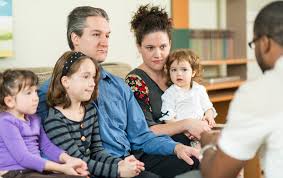
When this family therapist met some of these couples during the course of a therapy individually or in group, they had voiced their thoughts.
“We definitely wanted somebody who valued and supported us as a friend and not any stranger who meets us over a cup of coffee for a couple of hours and expects us to say “yes”.
However those who opposed this thought line were of the view that “getting married to the guy who has been your friend for long years would mean shifting so many equations of life . Suddenly a kind of difference of status comes in and the society expects the girl to be more respectful and an obeying kind wife to the guy”, said Ragini*(name changed) who had been married to the guy from the college but who had not been her friend.
It’s quite apparent that there are things we want from our friendship and there are some others or additional needs and expectations that we look for in a marital relationship.
But is it unreasonable to expect your husband to be your best friend, or is it the highest form of marital bliss.
The Change of Roles from Friends to Marriage Partners
While staying friends is fine but converting this to marriage does not mean it will stay as it was prior to marriage. It is important that we understand the roles as a couple that we need to play as members of family that would call for a bigger level of responsibilities in addition to a greater level of empathy, understandings and patience towards other members of family.
The couple, who began knowing each other in kindergarten, have been leading their lives separately as they grew up but the time spent away from each other made them realise how much they had wanted to be with each other.
Historically, we have had all kinds of marriages, the arranged ones and the marriages of lovers and friends with the majority tilting towards arranged ones with strangers .
But a relatively new age coming together of boys and girls into their careers, professions and even online friendships have brought a new awakening to the romantic relationships.
The couples now definitely are more career oriented and want their spouses to be of the same mindset where they can support and stand by each other in the progression of life. Indeed, a novel thought.
The roles have been changing for over a decade and a half now where the provider who used to be man earlier can be either one of the partners or a sharing responsibility prevails , sharing of money ,sharing of responsibility , sharing of taking care of kids and sharing of taking care of parents on both sides .
Indeed a new dawn of romantic relationship for some ,while some couples prefer to go old ways yet there are some who still struggle to find fulfilment of their expectations from marriage.
Setting up of realistic expectations on either side can help such people whether marrying a friend or other person who can be made a spouse first and a friend later .We all want our marriage to work for both and make life smoother (or Anand Ashram ) as I often call it and tell the couples visiting us, “A marriage is a two way partnership where both partners contribute equally ,sometimes the balance can tilt either way but ultimately a good balance can be achieved by respect ,love, empathy ,understanding, sharing ,trusting and being compassionate towards self and towards your partner”. One must ensure that you don’t expect everything one sided , a two way communication and two way sharing is what makes a good relationship grow.

Every relationship comes with loads of expectations of the couple and others of their respective families. It is not possible to get every dream, every fantasy and everything you’d wanted out of this relationship.
Not putting on the loads of expectations from either partner and sharing of responsibilities, being there for each other always and at all times may not be sometimes possible for a couple who’s into familial commitments too.
Adopting some, adapting a number of them and giving up a few of your preconceived ideas and looking at your partners, similar situation would always be helpful for the two of you to make it a smooth and enjoyable journey towards marital bliss. In a blissful marital relationship love may not always be visible. Likes and dislikes can change from time to time, demands can be made or met but what triumphs is your commitment and loyalty towards each other.
*All names have been changed and no real names have been used in order to maintain privacy of the people*






 Veena a company general manager swerved her car swiftly from hitting the road divider on the highway on way back home from the office, as the driver of another car overtook without any warning or flashing the indicator. In a reflex action Veena lowered side window glass and threw expletives on the driver of the other car. She could see a lady driver in the other car too appearing to be in a hurry to reach home after the office . “It could have been the end of my life today”, thought Veena,who was in a hurry to reach home much before her husband would make it .
 “Possibly the lady driving other car too has an enraged husband waiting at home . That’s why the lady appeared to be in a hurry or it is likely that she has a sick child waiting at home”, justified Veena to herself . She found the other car drivers behind her honking , who had been equally disturbed by her abrupt change of direction to the right of the road . She breathed a few more swearing as she eased her car on the road again. Such a scene has become quite common in almost all towns where people appear to be in a mad rush with the surge of anger seething under their breaths. Veena could cool anger by feeling empathy for lady driver of the other car. But how many of us can actually feel such an empathy for the one who has been the cause of our anger .
 Let us analyse one more situation. Maharishi family has come out for a dinner with another family friend of theirs to a high class restaurant known for its elegant ambiance. As soon as the waiter had placed soup dishes on the table , Mrs Maharishi’s younger child insisted on serving the soup into her dish herself. The young baby could hardly handle the hot dish and she found herself spilling the soup all over on the table.
 Many a times it would so happen that the anger comes to us in a sequence of various events and by the time we realize what has happened we end up losing control of the situation completely .This anger as we saw in the restaurant begins with one small event later on building up on the subsequent emotional reactions of angry
  Manoj and his wife had been having argument for over a week now over some trivial matter. His wife noticed that every time the argument had begun Manoj would simply slip out of the house and return much later after her temper had died down. She followed him in their next bout of angry expletives .Manoj had gone to the temple nearby and he sat amongst the bed of flowers in the green lawns of the temple. She sat next to him as he moved aside to offer her more space. All that was causing trouble in them had been forgotten .They both decided to come to the same place next time an argument would start among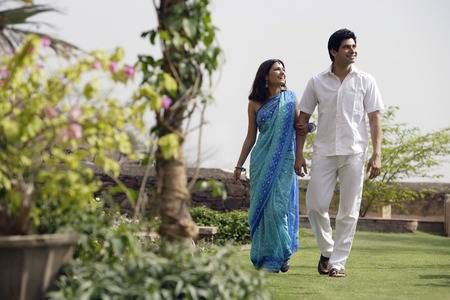
 Family Always Comes First