Unseen Depression in Couples Can Stall Counselling Progress

Note: The names in this article are fictional, but the cases are real‑life situations.

When Deepti contacted me recently, she was worried about her husband, Sameer. For quite some time she had noticed changes in his behaviour. He was often irritable and generally not the man she knew. She believed he was depressed, but Sameer avoided admitting it or seeking help. After much persuasion she finally brought him in for a counselling session, and I suggested she sit in as well. Couples counselling often reveals hidden dynamics.

After several sessions it became clear the issue was not only Sameer’s depression; Deepti was struggling too, although she hadn’t realised it. Both were in denial about their emotional health, each convinced the other was the one who needed help. I see this often: it’s easier to blame a partner than look in the mirror.

Denial and deflection in relationships

A common pattern is the “It’s not me, it’s you” mindset around emotions. People dislike admitting something is wrong—especially when the word depression appears. The stigma makes admitting depression feel like defeat, so partners shift all blame to each other.

Deepti’s words show this clearly:

“Sameer says our problems exist because of me, and he tells people if I weren’t depressed we’d be fine. But honestly, I think he’s the one who’s depressed. He’s always complaining, and whenever things don’t go his way, he lashes out at me.”

While Sameer focused on Deepti’s supposed depression, she was battling her own. Neither saw how their emotional states fed off each other. It’s common: partners fixate on the other’s behaviour and ignore their own mental health.

Emotional alienation and its cost

Marriage and argument go hand in hand. Differences of opinion are normal. Trouble starts when every disagreement turns into a full‑blown fight and no one can build a bridge. Depression magnifies conflicts, making everyday issues seem larger and more upsetting than they are. Minor clashes feel like assaults on someone already vulnerable, and couples retreat into isolation.

For Deepti and Sameer, depression ran deep. Sameer’s mood swings and blame‑shifting grew from his own struggles. Deepti felt constantly on the defensive and withdrew. Both wore emotional blinders; neither saw how their feelings fed the problem.

Depression and marital conflict

Depression in relationships doesn’t always appear as expected. One partner may feel the other is hostile when that isn’t true. A small irritation suddenly becomes a crisis. With depression involved, everything feels heavier.

What looked like a simple concern—Sameer’s mental‑health dilemma—revealed that both partners were depressed and that their relationship nurtured it. He became irritable and emotionally shut down, while Deepti felt frustrated and isolated—classic signs of emotional exhaustion.

Sameer believed everything would improve if Deepti weren’t depressed; Deepti believed the same about Sameer’s negativity. Neither realised their shared emotional state lay at the heart of the problem.

Many see depression as something that happens to “other people” or as a personal failure, so couples deny it and point to each other’s actions. Yet mental health in relationships is rarely individual; it’s rooted in how partners relate. If one struggles, the other feels the effects—even if they deny it.

Seema and Jatin: a layer of complexity

Every couple’s story is unique. Seema and Jatin (names changed) were young doctors starting their careers and life together.

One day Seema threatened suicide because Jatin chatted with female colleagues. It stunned him. He hadn’t thought of them romantically, and no amount of explanation eased Seema’s suspicions.

That single incident became a pattern. Seema’s insecurity and emotional instability drained Jatin. He pulled back from friends and family to avoid the drama at home. He told me:

“Seema has idealised suicide since college. We’ve been together seven years, and she throws tantrums only with me. She’ll break up over the smallest things, stay silent for days, then act normal. It’s exhausting, and I have no one to talk to—she seems fine around others.”

The emotional disconnect was huge. Jatin felt he was drowning; Seema didn’t know how to express her needs without terrifying him.

The effect of unmet emotional needs

Depression often grows from unmet emotional needs. Feeling unheard or unloved can spiral into inadequacy and depression. Seema needed Jatin’s attention so intensely that when she didn’t receive it as expected, her balance collapsed.

Jatin tried to hold everything together yet felt hostage to Seema’s demands. Their lack of emotional bonding fed both depressions, and neither saw a way out.

Breaking the cycle

How can couples like Deepti and Sameer or Seema and Jatin break free? They must acknowledge that depression isn’t just an individual illness; it’s shaped by the relationship dynamic. Each partner needs to see how the other’s emotional state affects their own.

Individual therapy helps one person’s conflicts, but couples therapy is vital because it shows how the relationship contributes to the problem. With shared effort, partners can address the emotional disconnect that fuels depression and change it constructively.

The power of mutual support

Marriage is a partnership. Each partner must care about the other’s emotional well‑being; no one can fix everything alone. Mutual support lifts depression and strengthens the bond. Deepti and Sameer improved only when they both accepted their depression and searched for ways to heal together.

Seeking help together

If you or your spouse is depressed, both of you need treatment. Depression is treatable, but it requires effort from each partner. Couples therapy can help you overcome emotional hurdles and rebuild your relationship.

Two are stronger than one. United, couples can find their way back. This isn’t about blame; it’s about knowing you’re in it together. Marriage is a journey, and depression can strain even strong relationships, but it doesn’t have to define them. Acknowledge its role, seek help, and face the road ahead as a team.

We offer family, relationship, and marriage counselling for families, men, women, and couples—whether you have children, are newly married, are considering separation, are divorcing, or are facing any relationship difficulty. We help partners understand each other’s mental and emotional states, improve communication, and overcome obstacles blocking their happiness.

Get in touch with us today or write to us at mansikpramarsh@gmail.com.

Energising your Relationships

img-20190313-wa0000-444810066.jpgI love to go to a garden nearby to look at the plants growing and to savor their fragrant breeze full of oxygen and greens. And let me tell you I do love to speak to the plants in the morning as they open up their lovely flowers to the rising Sun and rebuild their energy which they gather from the sunlight .At home we do not have a lawn where we could grow these plants (we live in an apartment) . But on the top of the building where we have managed to rent a terrace we do have a few pots with plants. These plants have very tenderly been reared by my daughter with great care and love. I have seen the fresh flowers of white, red and yellow colors bloom to the plants virtually growing from little buds to the full blown beautiful flowers. Whenever I go the terrace I water them, talk to them and make sure they feel loved and taken care of by me and feel happy about this. I feel my conversing with my plants exactly is the reason these plants have grown from tiny saplings to the full grown plants adorning their smile into these flowers.


Similar to these little saplings and plants all kinds of relationships need constant communication, love, tender care, nurturing and sunshine of trust and admiration. If any of the same is missing our relationships tend to get withered away just as all those seedlings died which had not been attended to by me.
We would often take our relationships for granted once we have formed them. We allow the novelty and the freshness of each other’s company wear of, thinking, “now that we have each other where the hell can the person go”. It is easy to do that as you get busy with the daily grinds of life. But like the delicate plants that were given extra care by me to grow, each relationship too needs to be handled with full involvement and care.
In a relationship or in a friendship, we need to regularly spread the showers of mutual understanding, of admiration the nurture and love. Not all relationships may require you to go out of your way to attend to them. A periodic touch of getting to know about each person as to how he or she is living life ensures we do not feel cut off and likewise the other person too feels in touch. In the current age of internet and social media though people are always available online, yet the lack of personal touch and physical presence of good listeners is felt by one and all. People living under the same roof and sleeping in the common bedroom become strangers as they remain occupied in their own virtual world of WhatsApp.Facebook,instagram,twitter and other online social media apps.
I have many a times met such husbands and wives who do not have either time or an empathetic ear for each other to give at least a hearing to the partners when they need to talk. Being there with an empathetic attitude and listening with patience to the other’s point of view can go a long way in solving many compatibility issues the couples face in their marital life.
I am currently meeting and counseling quite a few numbers of families, where all family members have agreed to spend at least two evenings in a week on working days and every alternate weekend in a month together on family outing or family dinner and they have shown wonderful results in their understanding of each other. The faces of the family members more especially the younger members beam smiles as big as the rose in the picture above after they find their parents spending a quality time with them in such a positive manner.

fam din
Just as we need to take care of the plants, saplings and flowers an protect them from all kinds of weeds, strong winds, too much of sunshine, the same way we need to tend to the relationship by giving our empathetic, loving , and understanding physical presence and listening ears  to all family members.

-Ramneek Kapoor – Family Therapist, Psychologist Counselor and Science of Living Expert.

family therapyFamily will survive all storms with a little patience and perseverance

What should you do if your marriage partner is having an affair ?

51372915-happy-couple-in-love-dating

Every marital relationship is based on mutual trust and understanding. If ever such a question as mentioned in the headline above arises, your immediate response obviously would be, “I would definitely divorce him/her”, and that being an overstatement, you might get agitated and say, “I shall confront him/her and then ask him either to leave the person or leave me”. It is obvious we cannot tolerate cheating of any kind in our life more so if it comes from a marital partner. Hence the response from many without second thought would be, “I will kick him/her out “.

But what will be your reaction, if I ask you to reconcile with your partner in spite of all the betrayal inflicted.

Some of you will say,”He is talking out of his hat,” but trust me there are many others who would want to reconcile despite being betrayed. They’re willing to forgive and believe they can mend the marriage and bring around their partner to see the reason and come back to the marital fold.

It is true that most of us just cannot accept the idea of forgiving a cheating spouse, but you never know how you’ll react to that situation until it happens to you,

pensive woman

It becomes an altogether a different story when you’re faced with the decision of ending a marital relationship and the consequences thereafter you have actually ended many years long held marriage . You have spent a good part of your life setting up the marital home and then all of a sudden the fairy tale dream turns into a nightmare. It can really be shattering for both partners involved and more so I’d say if you have had kids in this marriage.

images (12)

Some of the things that could affect the decision making to either hold on to marriage or move out of the relationship could be —living life without a father for the kids, living life without the kids, living life with lesser money, moving into parental home or moving into a smaller house, a different or lower standard of living, the possibility of looking for a new marriage partner again, and the prospects of your accepting the new life/new partner in your life. In totality it involves tearing up your years of brick by brick built home. Yes cheating is definitely unacceptable as it has undermined your value as a marriage partner and more so as a self respecting individual. But for many people it can be worth it to try to reconcile and rebuild from there. The decision to divorce is a punishment at both ends. It punishes the perpetrator and the victim both ie., The partner who has cheated gets that nightmare too.

sad woman 2

If you have already made up your mind and you are in the process of divorce proceedings, we will advise you to at least give it a good second thought and pay attention to the possibility of reconciliation through the family counseling. If you decide to save your marriage and reconcile your marital relationship, you may want to follow some of the following important steps: advice:

-Do not just spy on your spouse: just expression of doubts can trigger distrust in marriage and if you have asked someone to follow your partner this spells into total betrayal. You have to learn to be a leader of your marriage and not a follower. Your integrity is the key word to your being the leader in your marriage.

-Just hang on to your marriage. The affair your spouse has been indulging into could be a passing fad and may end soon. It had been observed that most of post marriage affairs end up in 9 to 12 months time. Though you do not want to live this torture for so long but it could be worth it to save your marriage for your children.

-Your kindness can become the key factor. You do not have to treat your spouse with disdain, hatred or anger. You can be more accepting, more accessing, more sympathetic and more tolerant towards your spouse during this period. The kind attitude shown by you will bring about a feeling of guilt, repentance sooner than later and act on the conscious of your spouse.

-Use your seductive charms to your advantages.Do Not just grieve over what has happened and neglect yourself. On the contrary now is the time to use your seductive powers and your sexualities to charm the person like the proverbial music played by a snake charmer. Do not withdraw yourself into a shell; rather be more outgoing and more inviting to your spouse.

graphic_couple

Soon you will notice the competition dying down and the vagrant partner returning back to marital fold. Even if it doesn’t happen soon do not give up, extend the rope a little more by your killing charms and soon the effect will take place.

Once the victory is yours, do not celebrate with a war cry. Maintain your dignity self respect and do not have a showdown with your spouse.You don’t want a spouse back with a dented confidence.Act natural and let the spouse gradually become so over a period of time.

-Ramneek Kapoor – Family Therapist, Psychologist Counselor and Science of Living Expert.

family therapyFamily will survive all storms with a little patience and perseverance.

Perceptive Meditation and Mindfulness

download“Perceptive Meditation enables you live in and with your breath taking your mind away from your anxiety stress and worries of life .It empowers you to live in the moment with complete mindfulness of your soul ,body and mind “. Ramneek Kapoor.

What is Perceptive Meditation and What is Mindfulness ?

images (11).jpg

“Perceptive Meditation is the intense involvement of body and mind into deep meditation on the psychic centres being fully aware of the moment and the breathe present in every living moment in its total intensity”

Mindfulness refers to the process of focussing complete attention to the present moment of life and living life in its every moment with complete awareness .This enables acceptance of life’s every moment in its totality and being aware of life in a non judgemental manner .In a way Perceptive Meditation and Mindfulness both work in the same direction for the same purpose.

How do Perceptive Meditation and Mindfulness help when Practiced together
  • Both are practiced with the mind fully present in the here and now
  • Perceptive meditation through the process of Srir Preksha {Perceptive Meditation on various parts of human body each focussed separately } helps the protagonist meditate on the various parts of the body to experience both the negative and the positive without reacting or expressing any likes or the dislikes, love or hatred for any part , making the journey of the mind through the pleasant or the unpleasant thoughts sans reactions and thus developing a feeling of equanimity in all kinds of circumstances. Mindfulness is similar way of experiences of the pleasant and unpleasant being fully aware and feeling unthreatened .
  • Perceptive meditation develops better connect to the self and in the process bringing better acceptance of the internals with the externals, and of the other humans in the world around with complete mindfulness
  • The process of practising deep meditation in total mindfulness of the psychic centres brings about a complete peace of mind, a better physical , mental and emotional health in the individual and empowers with the cosmic energy.
  • The process of kayotsarga ie, the progressive mindful journey on all the body parts and psychic centres to dissociate the psychic centres and body parts consciously from the mind brings about a total; celestial self-awareness
  • The process of Lesya Preksha (mindful perception of the celestial colourful lights )on the psychic centers brings about a total peace of mind, better mental and emotional health and develops acceptance of all kinds of ups and downs in life without extreme reactions , thus empowering the mind for better tolerance and understanding .
  • Mindful perceptive meditation of the psychic centres helps separate the thoughts from the emotions distinguishing imagined from the reality.
  • Mindful perceptions of the psychic centres teaches to the practitioner that everything is temporal and that everything changes; that same way emotions, thoughts and feelings are also short-lived and temporary like the weather.Nothing remains permanent .
  • Perceptive meditation with total mindfulness brings about better balance of mind and emotional stability.
  • Mindful Perceptive Meditation brings about serenity ,calmness and peacefulness.
  • The mindful perceptive meditation makes the practitioner aware of the negative and the positive both and trains to focus the mind on positives .

Perceptive Meditation, Mindfulness and Psychotherapy

preksha dhyan.jpg

Mindful Perceptive Meditation on Psychic Centres is a very powerful, evidence-based meditation tool for enhancing emotional ,psychological and mental health.

It has very successfully been used as an effective intervention in a wide range of clinical disorders, including bodily distress disorder,psychosomatic pains, chronic stress disorder, anxiety disorders, depression, PTSD, OCD, substance abuse, and other neurotic and psychotic disorders bringing relief to the affected .

-Ramneek Kapoor – Family Therapist, Psychologist Counselor and Science of Living Expert.

logo family therapyFamily will survive all storms with a little patience and perseverance

Perceptive Meditation and Cognitive Behavioural Therapy-medicine free cure for depression anxiety and stress

WHAT IS PERCEPTIVE MEDITATION AND WHAT IS COGNITIVE BEHAVIOUR THERAPY (CBT)?

meditation-perc.jpg

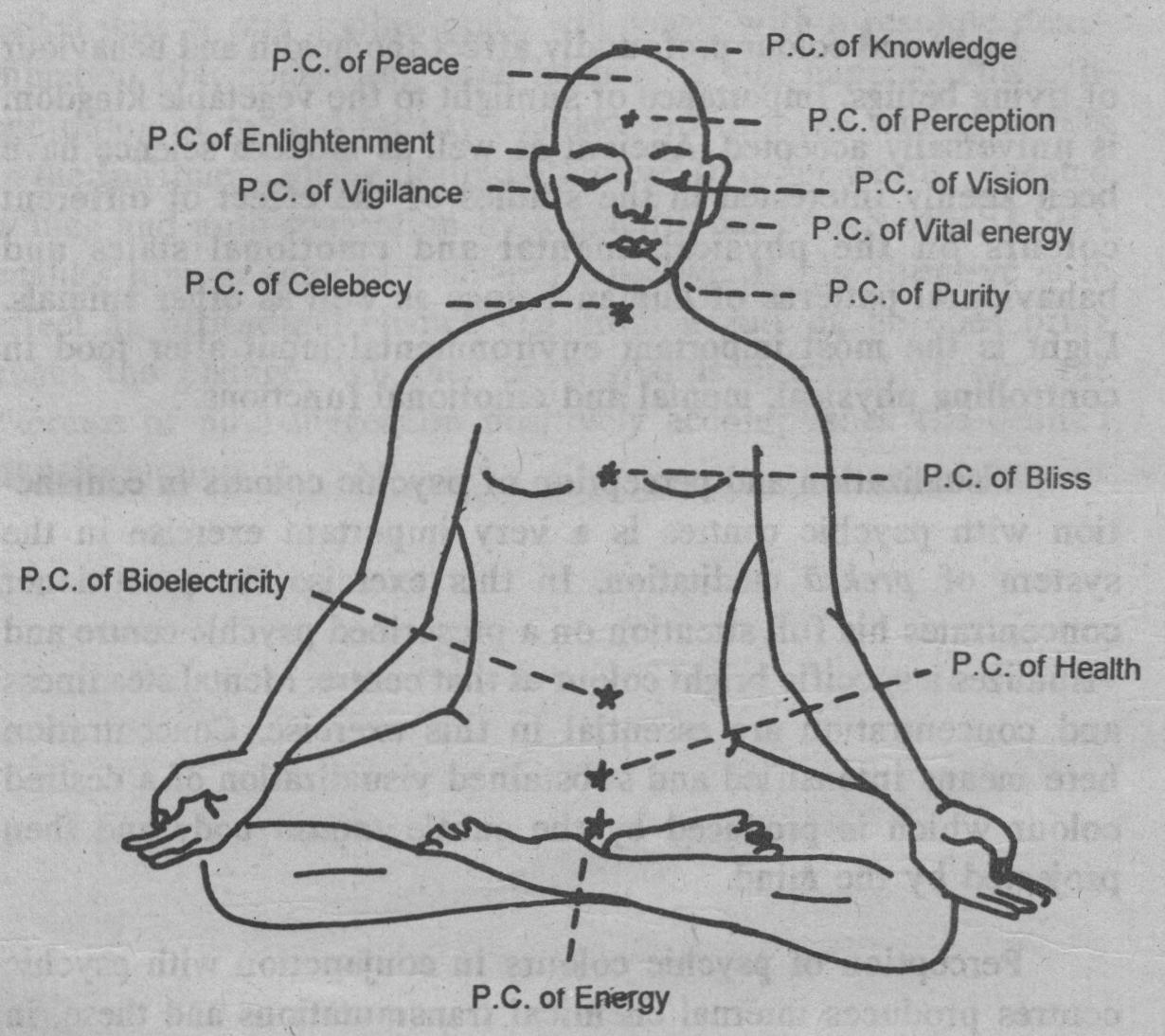
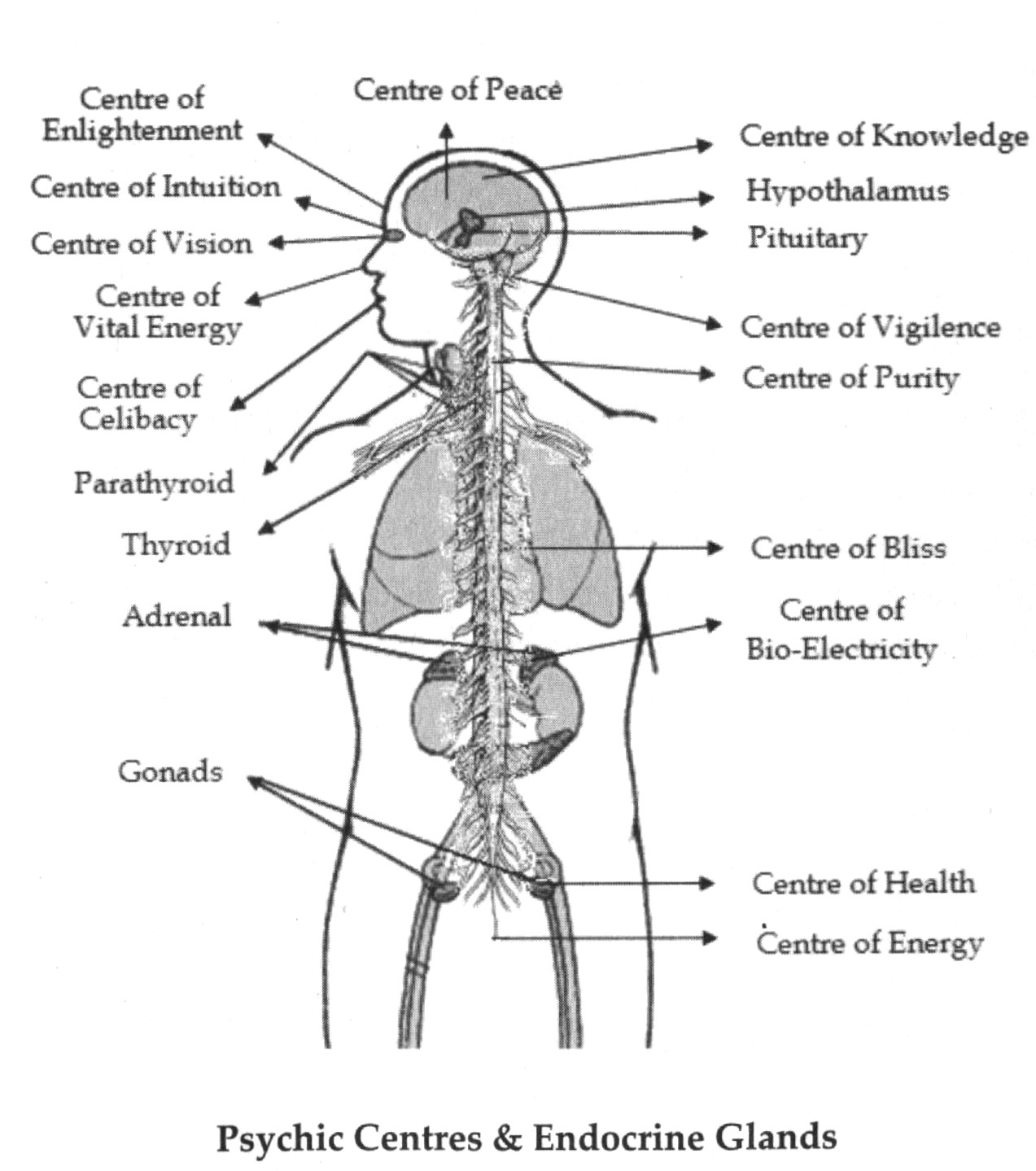
Perceptive meditation is a technique of meditation on the psychic centers of human body by which changes can be brought to the emotions,feelings,perception,attitudes, behaviors, and the total thinking process of the man. Perception on the psychic centres  refer to the process of  focussing and meditating on these centres of consciousness with complete absorption of mind and body and getting them connected to the endocrine glands situated on the psychic centres . The chemicals secretions this way  are rectified by turning the secretion from negative to positives. Such Perceptive Meditation energises the conscious, the subconscious and the unconscious thereby benefiting the body and the mind on three different levels :

pc all.jpgPSYCHIC CENTRES

Perceptive Meditation on the physical psychic centres  rejuvenates, re- energises and revitalises the immune system of the body and the blood circulation to all vital points of reduces the impact of the negative secretions if any in the system.

Perceptive Meditation on the psychic centres and the endocrinology glands harmonises the efficient functioning of the emotion system of the mind. Such efficient functioning   of the endocrine  and the nervous system removes all negative thoughts and emotions and generate positive perception of the environment, of the self and of the problems in the day to day life. Thus eradicating depression, stress, anxiety, psychosomatic, neurotic and psychotic disorders without the use of medication and drugs.

Psychic_Centres.jpg

Perceptive Meditation trains the mind to clean itself of the stress, the anxiety and get rid of the negative influences like depression, the low self esteem, the suicidal tendency and ideation,  of many other serious mental disorders.

COGNITIVE BEHAVIOUR THERAPY

Cognitive-Behavioural-Therapy-Diagram-Mind-Remedies-South-Croydon-1

Let us understand what exactly is the Cognitive Behavior? Cognitive behavior refers to the behavior of the man that can be perceptive and understood. As per the Cambridge Dictionary cognitive means, “connected with thinking or conscious mental processes, relating to or involving the processes of thinking and reasoning. This obviously means that in simple language cognition refers to the process of thinking or of reflecting. Cognitive Behavior Therapy then should be looked as a Therapy that help people improve upon or rectify their thinking that occurs when experiencing emotional distress. The distress so felt affects the emotional state of mind and the behavior .During times of emotional upheavals and distress the mind loses touch with the cognition and becomes negative .The emotions so generated then perceive at all situations, people and events in a negative manner,causing distress all around. The thoughts under such negative emotional state of mind too continue to be negative, and so do the feelings and behavioral response to the external world often leading to melancholy, sadness, feeling of being alone, suicide ideation, psychosomatic bodily distress, eating disorders, obsessions, anxiety, extreme stress .

How does perceptive meditation help : Perceptive Meditation at this stage acts as the positive transformation factor on the inner consciousness of the human psychic centres bringing about a total change into the perception, cognition, thinking and emotions . It converts the negative emotions into the positive emotions .Perceptive Meditation controls the flow of negative energy and generate the positive energy . The negative chemicals produced by the endocrinology glands of the body are stopped and positive chemicals begin flowing, giving rise to the positive perception about the self , emotions feelings, thoughts and subsequent behaviour.Perceptive Meditation Therapy is a meditational self-perceptive, endocrinology based physio-psychotherapy to cure disorders related to emotional, physical, mental and psychological illnesses of the individuals. It is a scientifically proven powerful perceptive meditation therapy to root out the psychological, mental, emotional, social and physical disorders. The identification and elimination of the real causes of physical diseases, mental imbalances and emotional distortions through the gentle perceptive meditation on the psychic centres brings out a new awakened individual person with perfect mental, physical, emotional and social balance leading to a better society.

How does CBT Help : CBT helps in exploration of the source/ events/ experiences ,the origins of the negative thoughts and beliefs e.g. childhood, relationships, workplace bullying or a traumatic event that led to negative thinking , beliefs and caused the emotional, cognitive and behavioural distress to the affected individual. The counsellor then through exploring the evidence that disputes them and help to develop more positive outlook towards those events /emotions .The exploration and identification of the causes of distress ultimately with the help of talk therapy and other mind assuaging tools bring out positive acceptance of the self and positive behaviours .

WHAT CAN PERCEPTIVE MEDITATION AND CBT HELP WITH ?

We mentioned above that both CBT and Perceptive Mediation basically help with the formation of the more positive acceptance of self ,and thus curing the affected of depression, anxiety, stress, low self esteem or relationship problems.

There is evidence to show that Perceptive Meditation and CBT when used together under the guidance of our expert has produced spectacular results bringing people back from disorders such as Depression, Anxiety, Stress, Insomnia, Anger, Obsessive Compulsive Disorder (OCD), Post Traumatic Stress Disorder (PTSD), Eating Disorders including anorexia and bulimia, low self-esteem, childhood trauma and personality disorders.

WHAT DOES PERCEPTIVE MEDITATION AND CBT JOINT THERAPY INVOLVE?

Perceptive Meditation and CBT joint therapy involve attending 50-minute sessions 3 times a week.

In these sessions you undertake perceptive meditation on the psychic centres and endocrinology glands curing them of all negative effects and in addition goal focused positive mind building exercise therapy, with written and spoken tasks to get rid of depression,anxiety stress,fears ,negativity and form positive self perception.

All sessions are conducted in collaborative manner without the use of medicines.The subtle behaviour change happen without causing any mental trauma or stress to the client. The new cognitive ability so developed is long lasting empowering and helps the client with new more positive perception about the self, the world, and others, and enhance emotional well-being.

-Ramneek Kapoor – Family Therapist, Psychologist Counselor and Science of Living Expert.

logo family therapyFamily will survive all storms with a little patience and perseverance